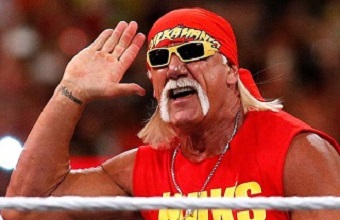
Hulk Hogan, born Terry Gene Bollea on August 11, 1953, in Augusta, Georgia, is one of the most iconic figures in professional wrestling history. His larger-than-life persona, signature handlebar mustache, and unmatched charisma helped elevate professional wrestling into mainstream American pop culture during the 1980s and 1990s.
Hogan’s journey into wrestling began in the late 1970s, but his rise to stardom came when he joined the World Wrestling Federation (WWF, now WWE) in the early 1980s. With his catchphrases like “Whatcha gonna do when Hulkamania runs wild on you?” and his heroic image of standing up for what’s right, Hogan became the face of professional wrestling. His popularity exploded after his victory over The Iron Sheik in 1984, where he won his first WWF Championship. This win ushered in the era of “Hulkamania,” a phenomenon that dominated pop culture through the decade.
Hogan headlined eight of the first nine WrestleMania events and battled legendary opponents like André the Giant, Randy “Macho Man” Savage, and The Ultimate Warrior. His charisma extended beyond wrestling — he starred in movies such as No Holds Barred and appeared in numerous TV shows, commercials, and even had his own cartoon, Hulk Hogan’s Rock ‘n’ Wrestling.
In the 1990s, Hogan shocked fans by turning heel (villain) in World Championship Wrestling (WCW), forming the New World Order (nWo) alongside Scott Hall and Kevin Nash. This move revitalized his career and played a major role in WCW’s dominance during the “Monday Night Wars” against WWE. Hogan later returned to WWE in the early 2000s, participating in memorable matches against The Rock and others.
However, Hogan’s life has not been without controversy. His reputation took a major hit in the mid-2010s due to the release of a leaked video that included racist remarks, leading to his temporary removal from the WWE Hall of Fame. Despite this, he was reinstated years later, and many fans and fellow wrestlers acknowledged his contributions to the industry while recognizing the controversy as a serious misstep.
Hogan has also battled numerous health issues stemming from decades of physical punishment in the ring. He underwent multiple surgeries, especially on his back and knees, which significantly limited his mobility later in life. Outside the ring, Hogan’s personal life was also tumultuous, including a highly publicized divorce and financial setbacks.
In life, Hulk Hogan is a legend whose presence transcended the squared circle. And when the day of his passing eventually comes, the wrestling world will mourn not just a superstar, but a cultural icon who once made millions of fans believe in the power of the “24-inch pythons” and the spirit of Hulkamania.