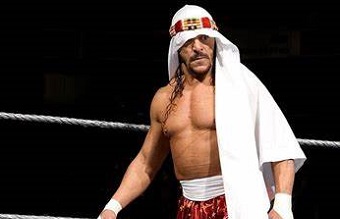
On May 11, 2025, wrestling lost one of its most radical innovators: Terry Michael Brunk, better known as Sabu, passed away at age 60 (though court documents suggest he may have been 61). His death came just three weeks after his dramatic retirement match on April 18, 2025, facing Joey Janela in Game Changer Wrestling’s Spring Break 9—a brutal no‑ropes barbed‑wire bout that typified Sabu’s fearless legacy.
Born in the 1960s in Staten Island, New York, Sabu was trained by his legendary uncle Ed “The Sheik” Farhat. Sabu’s early excursions took him to Japan’s FMW, where he first embraced fire and barbed‑wire death matches, scars earned that would define his identity as a hardcore pioneer. Returning to the U.S. in the mid‑1990s, he joined Extreme Championship Wrestling (ECW) and quickly became one of its marquee figures. With signature high‑risk spots—springboard dives through tables, head‑first chair shots, and barbed‑wire exchanges—he helped codify the “hardcore” style for a generation.
Sabu captured multiple titles: two ECW World Heavyweight Championships, the ECW Television and Tag Team Titles (including notable runs alongside Taz and Rob Van Dam), and later the NWA World Heavyweight Championship in 2000. His run in WWE’s revived ECW brand from 2006–2007 saw him competing against big names like John Cena and Rey Mysterio, and performing as part of the ECW Originals team at WrestleMania 23, in his hometown of Detroit.
Sabu was known for a stoic presence—he rarely spoke, letting his actions define him. WWE dubbed him “the human highlight reel,” while fans embraced his nickname: “suicidal, homicidal, genocidal, death‑defying maniac”. His influence on many current wrestlers was profound: Rob Van Dam credited Sabu for shaping his own career, posting a tribute declaring that Sabu was as irreplaceable in his life as he was in wrestling. Taz likewise mourned him on social media, saying his passing “breaks my heart” and recognizing that Sabu helped launch his own success. AEW stars like Matt Hardy and Mark Briscoe echoed similar sentiments: Hardy argued that modern wrestling still owes its widespread use of tables to Sabu’s innovation.
The circumstances surrounding his death remain unclear. WWE, AEW, and his family have not disclosed a cause, and GCW, which hosted his final match, denied any involvement. Reports about kratom use during his last match surfaced, but Rob Van Dam and others strongly refuted suggestions that it contributed to his death,
Sabu’s legacy is vast. Over a nearly 40-year career spanning ECW, WWE, WCW, NJPW, TNA, AAA, and the independent scene, he redefined boundaries and pushed physical storytelling into the realm of the unforgettable. He retired in style, delivering one final legendary match on April 18—and then quietly exited the stage he helped mold.
In death, Sabu’s reputation stands unblemished by scandal. He remains a symbol of fearless commitment to performance and pain. Countless wrestlers continue to cite him as an inspiration. Sami Zayn’s recent call for Sabu’s posthumous induction into the WWE Hall of Fame reflects the widespread respect he earned—not just for what he did, but how he did it.
Terry Brunk lived by action, and now, in his passing, wrestling mourns one of its most genuine icons.